
What Materials Are Used in a Mattress? The Ultimate Buyer’s Guide
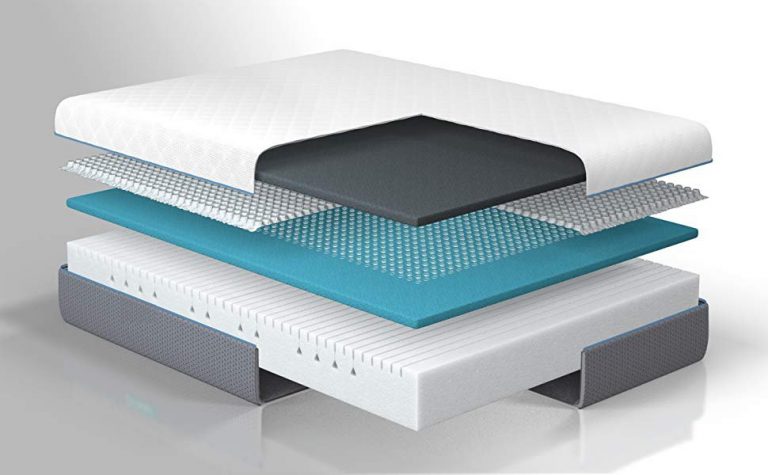
Mattress materials. Deciding to buy a new mattress is an investment in your health, but the shopping process can quickly become overwhelming. When you start your research, you are immediately hit with complex terminology: memory foam, latex, pocket coils, hybrid technologies, and cooling gels.
Does the material really matter? Absolutely. The materials inside your bed dictate its lifespan, breathability, and how well it supports your unique body weight and sleeping position. To help you make an informed decision and get the best return on your investment, let’s break down the core materials and technologies used in modern mattresses.
1. Memory Foam (Viscoelastic)
Originally developed by NASA, memory foam is a high-density polyurethane material that reacts to your body heat and pressure.
- How it works: It molds perfectly to your body’s contours, providing unparalleled pressure relief for your shoulders and hips.
- Best for: Side sleepers and couples who want to eliminate motion transfer (so you don’t wake up when your partner tosses and turns).
2. Latex
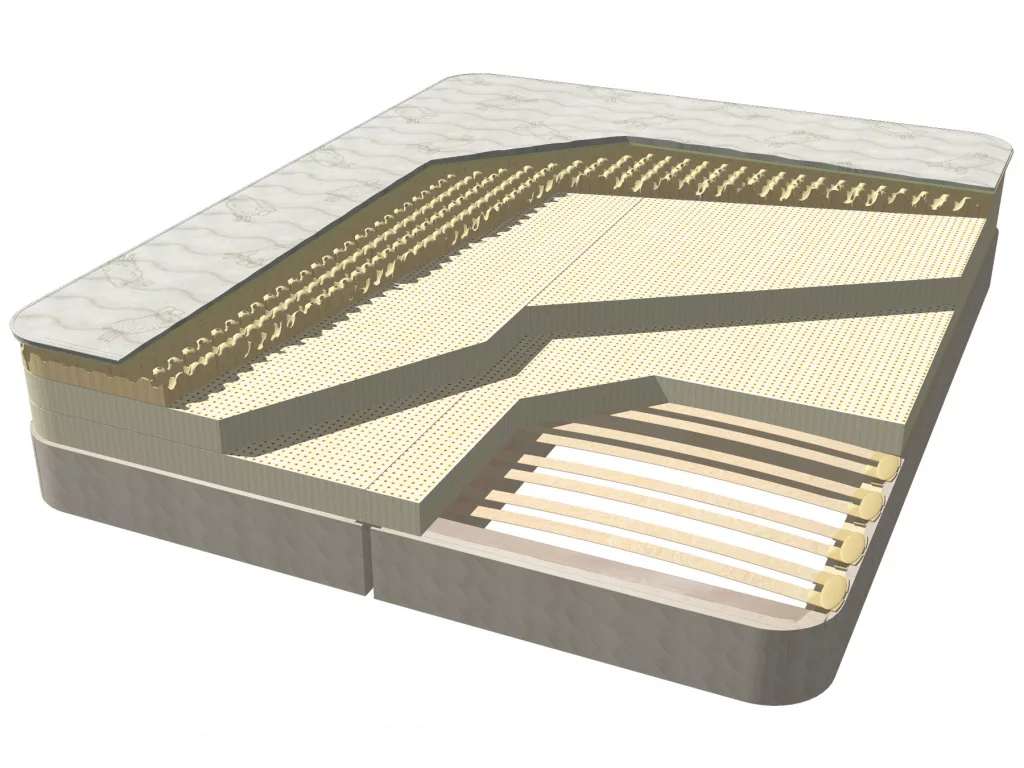
Latex is an eco-friendly material harvested from the sap of rubber trees. It is whipped into a foam block and features natural air channels.
- How it works: Unlike memory foam, latex has a naturally responsive, “bouncy” feel. It doesn’t sink as deeply, making it easier to switch positions during the night.
- Best for: Hot sleepers, eco-conscious buyers, and people looking for a highly durable mattress that can easily last 15 to 20 years.
3. Pocket Coils (Innersprings)
Traditional spring beds used interconnected coils, which meant if one side moved, the whole bed bounced. Modern premium mattresses use Pocket Coils.
- How it works: Each steel coil is individually wrapped in its own fabric pocket. This allows each spring to move independently, responding only to the exact pressure applied to it.
- Best for: Excellent targeted spine support, enhanced airflow, and minimizing motion transfer between partners.
4. Cooling Gels & Advanced Technologies
One of the biggest complaints about traditional foam is that it traps body heat. To combat this, modern manufacturers infuse memory foam with advanced cooling gels.
- How it works: Technologies like AquaGel actively pull heat away from the body and dissipate it throughout the mattress, regulating your core temperature.
- Best for: People who experience night sweats or naturally sleep hot.
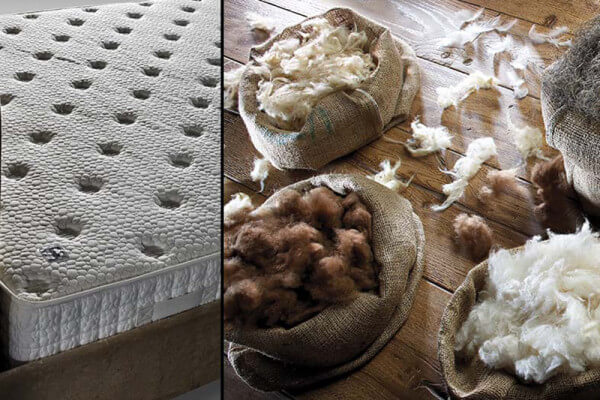
5. Natural and Organic Fibers
The top layers of a premium mattress (the cover and quilting) often utilize natural materials like organic cotton, wool, or bamboo.
- How it works: These materials are naturally hypoallergenic, highly breathable, and excellent at wicking away moisture. Always look for global certifications if you are shopping for a 100% organic bed.
Key Factors to Consider Before Buying
Understanding the materials is only half the battle. When choosing your perfect bed, keep these personal factors in mind:
- Sleep Position: Are you a back sleeper, side sleeper, or stomach sleeper? Side sleepers generally need softer materials (like memory foam) to cushion the shoulders, while stomach and back sleepers need firmer support (like pocket coils or firm latex) to keep the spine aligned.
- Edge Support: Do you tend to sleep near the edge of the bed, or sit on the edge to put your socks on? Look for mattresses with reinforced edge support (high-density foam or thicker coils around the perimeter) to prevent sagging.
- Temperature: If you frequently wake up hot, steer clear of basic all-foam beds. Opt for a Hybrid mattress (a combination of breathable pocket coils and cooling gel foam) to maintain a comfortable sleep climate.
The Bottom Line
The most expensive mattress isn’t always the best one for you. By understanding these materials, you can choose a tailored orthopedic solution that perfectly matches your body type and sleep habits.